Welcome to Anxiety Treatment Center
(916) 366-0647
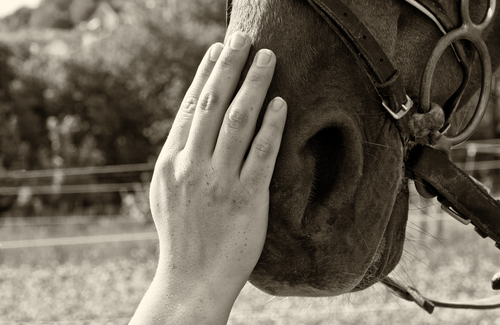
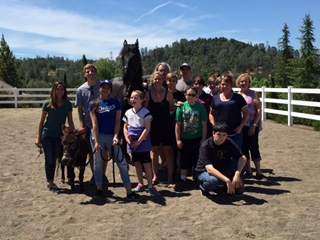
Equine therapy, also known as Equine-Assisted Therapy (EAT), incorporates equine activities and the equine environment to support physical, occupational, and emotional well-being for individuals with a variety of mental health conditions, including anxiety disorders.
EAT can help individuals build confidence, self-efficacy, communication skills, trust, perspective, social skills, impulse control, and healthy boundaries. Because horses display social and responsive behaviors similar to humans, participants often find it easy to establish a meaningful connection with them.
Equine-assisted therapies are recognized in the mental health and medical fields in many countries worldwide. While EAT is not considered a frontline treatment for anxiety disorders, it serves as a powerful complement to our core services and has had a profound impact on those who have participated.
Equine therapy dates back to the times when horses were used for therapeutic riding in ancient Greek literature. Orbasis of ancient Lydia documented the therapeutic value of riding in 600 B.C. In 1946, Equine Therapy was introduced in Scandinavia after an outbreak of poliomyelitis.
Therapeutic Riding was introduced to the United States and Canada in 1960 with the formation of the Community Association of Riding of the Disabled (CARD). In the United States riding for the disabled developed as a form of recreation and as a means of motivation for education, as well as its therapeutic benefits.
Animals such as elephants, dolphins, dogs, and cats have also been used for therapeutic purposes. Horses become the most popular animal to use in animal therapy because they give immediate feedback to the handler or rider’s actions. Horses also have the ability to mirror the feelings of the handler or rider. Horses’ large and intimidating appearance forces and individual to gain trust around them.
Equine therapy can involve more than just riding the horse. In some sessions, a client might not even touch the horse at all. Often the therapist leading the session will set goals for the client to complete, such as leading the horse to a designated area or putting a halter on the horse. The client will complete the task to the best of their ability and then discuss the thought process, ideas and problem solving used to complete the task. Discussing what the client is doing at a given time allows them to improve language skills. Listening to the instructor helps improve the individuals ability to listen and follow directions, ask questions, etc. Not only is there communication between the handler and the instructor, but also between the handler and the horse. This skill becomes especially helpful for those who are struggling with anxiety as often times they are stuck in worry about the past, or catastrophic thinking about the future. This activity encourages a person to be present and focused on the task at hand.
Therapists who teach Equine-Assisted Therapies can easily adapt Cognitive Therapy as well as play and talk therapy. Depending on the nature of the anxiety and its severity, the Equine therapist is able to make decisions about the processes or techniques applied in the sessions. Main techniques used are Cognitive Therapy, practicing activities, activity scheduling, play therapy and story telling and talk therapy.
Cognitive Therapy: This type of therapy is often used as a treatment for anxiety. Horses sense danger and respond with heightened awareness of their surroundings, oftentimes trying to flee if the situation seems too dangerous to them. Individuals suffering from anxiety disorders may be able to feel these changes through observation, then allowing them to discuss anxious activities with the therapist. Focusing on the apprehension of the animal rather than oneself can greatly reduce the individual’s anxious response and allow them to challenge automatic thoughts. Throughout this process the patient would practice remaining calm and taking responsibility of his or her own thoughts.
Practicing activities: Often times, individuals experiencing severe anxiety will tend to avoid activities that are challenging, fearful, or out of their comfort zone. This technique allows an individual to choose an activity, which may be outside of their own skill level. The therapist will then assist them as needed and talk with them about thoughts or feeling that are stimulated by these activities. For example, longing, bathing, and feeding the horse are all activities that involve coordination, planning and active communication.
Activity scheduling: Many people struggling with anxiety will begin to avoid chores or other responsibilities that previously were inherent in their daily activity due to the impact the anxiety is having on their lives. The more they avoid however, the more their anxiety is perpetuated by thinking about returning to those activities. Planning or developing a schedule to care for an animal or horse throughout the day can teach an individual a sense of responsibility as well as flexibility because the physical needs of the animal/ horses can change anytime. This allows the person to direct their focus away from their anxiety and begin returning to structure during the day that will foster a experience of feeling more competent and responsible.
Play Therapy and Story telling: Many horse characteristics can be identifiable to individuals including the instincts of play, curiosity, freedom and social drive. Play therapy allows and inspires creating relationships and setting limits. Story telling encourages developing stories about what the animal is thinking and conveying emotion. This is a great tool for encouraging the development of language skill and creativity.
Equine Therapy is often used as a team building exercise or in family or group therapy because horses also show interpersonal behavior. Also, because equine therapy is often goal oriented, it allows the group to work together to achieve a common goal.
This list includes characteristics of horses that make them unique for therapy.
Non-judgmental and unbiased: Horses react only to the patient’s behavior and emotions and are not biased by the patient’s physical appearance or past mistakes. Patients describe this as being crucial to the therapy and aids in increase of self-esteem and self-confidence.
Feedback and mirroring: Their nature as a prey and herd animal makes them hyper vigilant and sensitive, thus making them keen observers. This means that their feedback is provided earlier and more consistently than with a human therapist. The horse has an innate tendency to mirror the patient’s behavior, physical movements and emotions, which help the participant be more aware of him or herself. It allows patients to “feel felt”. This feedback can then be translated by the equine specialist and analyzed by the group.
Metaphor for real life: The ability of a therapist to use the horse as a metaphor for other issues helps make the equine treatment applicable to real life problems. An example of how a therapist can help the patient work out issues in their own lives through the use of the horse as a metaphor: “One child was having great difficulty discussing how they were feeling about an upcoming move to another state. She was, however, able to offer many suggestions for how to help a horse that was being sold feel more comfortable in his new environment”. Using the horse as a metaphor for his own move, the child better understood and could cope with her own move.